Development of an ECM-based advanced in vitro model to elucidate mechanisms of MASLD onset, recovery, and prevention
Prinicipal Investigator
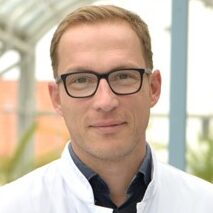
Dr. Pavitra Kumar
Scientific interest within the context of the graduate college
***Follows.
Project description
Metabolic dysfunction-associated steatotic liver disease (MASLD) is the most prevalent chronic liver disease worldwide and represents a major unmet clinical need. While disease progression, from steatosis to steatohepatitis, fibrosis, and cirrhosis, is well described, the mechanisms governing early disease onset, reversibility, and prevention remain poorly understood.1,2
Emerging evidence highlights the extracellular matrix (ECM) as a dynamic regulator not only of disease progression but also of cellular plasticity, tissue repair, and resolution of inflammation. Changes in ECM composition and stiffness influence hepatocyte metabolism, stellate cell activation, and immune signaling, suggesting that ECM cues may critically determine whether liver tissue progresses toward disease or returns to homeostasis.3
Current in vitro models inadequately capture these ECM-driven processes and largely focus on late-stage disease phenotypes, limiting their utility for identifying early drivers of disease onset or targets for preventive intervention.4 The ECM is increasingly recognized as a key regulator of disease progression by influencing hepatocyte metabolism, stellate cell activation, and inflammatory signaling.5
We hypothesize that ECM derived from livers at distinct stages of MASLD encodes stage-specific biochemical and mechanical signals that actively regulate transitions between healthy, diseased, and recovery states. By incorporating this ECM into a 3D multicellular system, we aim to establish an advanced in vitro model that enables the dissection of mechanisms underlying disease initiation, progression, and reversal, ultimately identifying pathways that can be targeted for prevention. The overall objective of this project is to develop a physiologically relevant ECM-based in vitro platform that integrates disease-stage–specific matrix cues with multicellular liver architecture to investigate mechanisms of MASLD onset, recovery, and prevention.
Aim 1. Isolate and characterize ECM from livers across progressive and early-stage MASLD to define matrix signatures associated with disease onset and progression.
Aim 2. Utilize the ECM-based model to identify and modulate pathways involved in disease reversal and prevention, including testing recovery-inducing conditions and anti-fibrotic/anti-inflammatory interventions.
This project will provide a novel platform to move beyond descriptive models of MASLD toward a mechanistic understanding of disease dynamics, enabling identification of targets for early intervention and prevention strategies. By integrating ECM biology with multicellular modelling, the system has the potential to accelerate the development of therapies aimed at halting or reversing MASLD before irreversible liver damage occurs.
References
- Huang M, Chen H, Wang H, Zhang Y, Li L, Lan Y, Ma L. Global burden and risk factors of MASLD: trends from 1990 to 2021 and predictions to 2030. Intern Emerg Med. 2025; 20(4): 1013-1024.
- Engelmann C, Tacke F. The potential role of cellular senescence in non-alcoholic fatty liver disease. Int J Mol Sci. 2022; 23(2): 652.
- Wu Y, Cao Y, Xu K, Zhu Y, Qiao Y, Wu Y, Chen J, Li C, Zeng R, Ge G. Dynamically remodeled hepatic extracellular matrix predicts prognosis of early-stage cirrhosis. Cell Death Dis. 2021; 12(2): 163.
- Ros-Tarraga P, Villanueva-Badenas E, Sanchez-Gonzalez E, Gallego-Ferrer G, Donato MT, Tolosa L. Challenges of in vitro modelling of liver fibrosis. Front Cell Dev Biol. 2025; 13: 1567916.
- Arteel GE. Hepatic extracellular matrix and its role in the regulation of liver phenotype. Semin Liver Dis. 2024; 44(3): 343-355.
- Kumar P, Hassan M, Tacke F, Engelmann C. Delineating the heterogeneity of senescence-induced-functional alterations in hepatocytes. Cell Mol Life Sci 2024; 81(1): 200.
- Mazza G, Rombouts K, Rennie Hall A, Urbani L, Vinh Luong T, Al-Akkad W, Longato L, Brown D, Maghsoudlou P, Dhillon AP, Fuller B, Davidson B, Moore K, Dhar D, De Coppi P, Malago M, Pinzani M. Decellularized human liver as a natural 3D-scaffold for liver bioengineering and transplantation. Sci Rep. 2015; 5: 13079.