Characterization of natural killer cells harboring clonal hematopoiesis mutations in patients with cancer and cardiovascular diseases
Principal Investigator
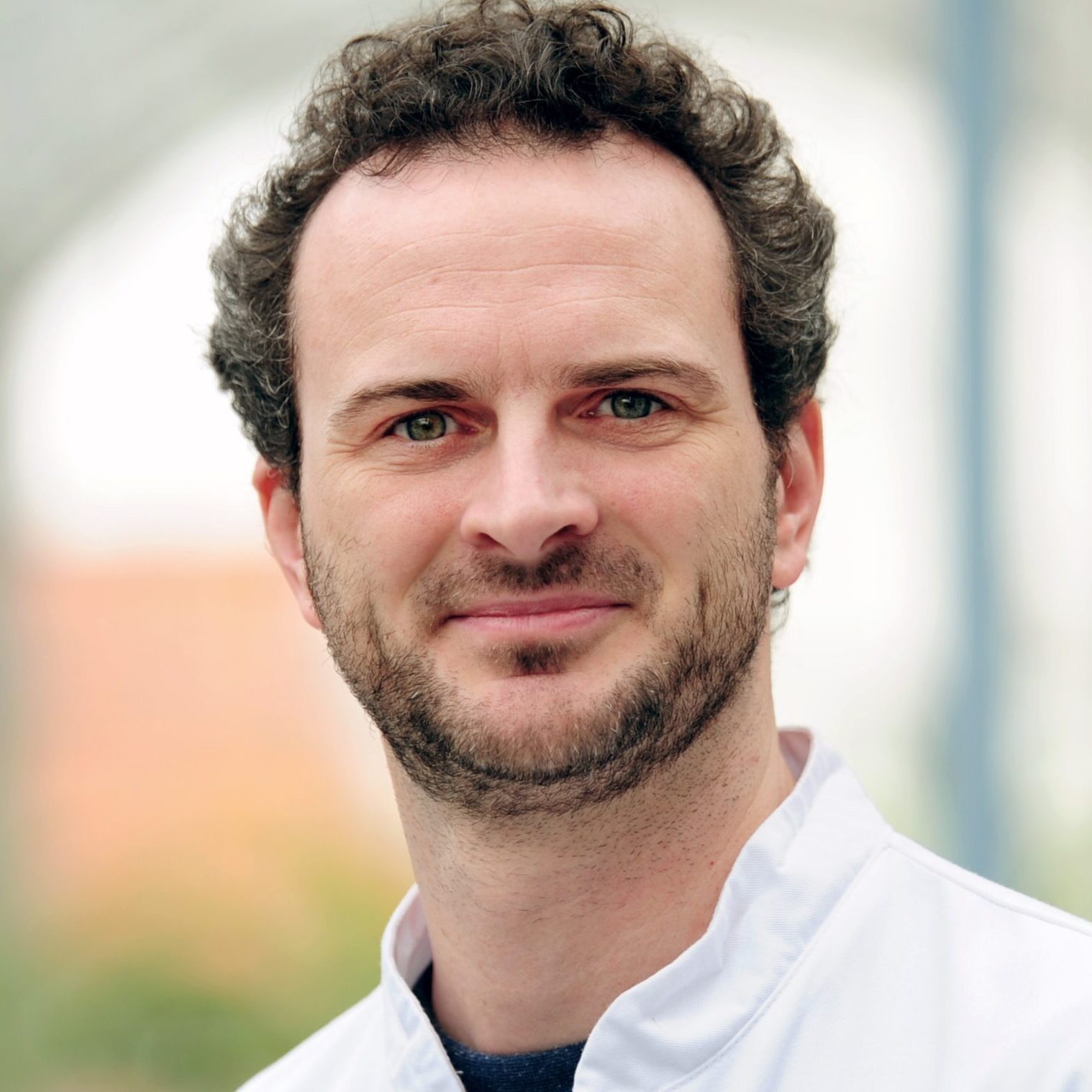
Scientific interest within the context of the graduate college
The scientific focus of our lab within the framework of the graduate college centers on unraveling the multifaceted role of clonal hematopoiesis (CH) in disease prevention and inflammatory processes. CH is recognized as a pre-malignant condition that significantly increases the risk of hematologic malignancies. Beyond its oncogenic potential, CH has emerged as a critical risk factor for cardiovascular diseases such as stroke, myocardial infarction, and atherosclerosis, contributing to both initial and recurrent events. Moreover, CH is intricately linked to chronic inflammation, functioning both as a driver and a consequence of sustained immune dysregulation. By investigating these complex interconnections, our research aims to deepen the understanding of CH as a central node in disease pathogenesis and to identify novel strategies for early intervention and prevention.
Project description
Clonal hematopoiesis (CH), defined by the acquisition of somatic mutations in hematopoietic stem cells, occurs in 20% to 30% of individuals >60 years. CH is associated with a higher overall mortality and an approximately 10-fold risk for the development of hematologic malignancies.1 Reduced overall survival in individuals with CH is mainly caused by an increased rate of cardiovascular events.2 A causal relation was found in preclinical models, showing accelerated development of atherosclerosis driven by an altered function of the NLRP3/IL1β inflammasome of mutated monocytes/macrophages.3 These results pinpoint toward pleiotropic effects of mutated clones, not only affecting self-renewal and differentiation of hematopoietic stem cells but also inflammatory signaling of mature blood cells.
We and others have shown, that in addition to myeloid cells, natural killer (NK) cells are affected by somatic CH mutations to a comparable extent.4 This finding is somehow surprising as other lymphoid cells such as B- or T-cells only occasionally harbor CH mutations pointing to a pivotal role of NK cells within the lymphoid compartment. However, it remains poorly understand which NK subtypes are affected and whether the mutated NK cells harbor distinct KIR receptor repertoire and/or protein expression. The Damm lab has well-documented expertise in investigating CH in large-patient cohorts5 coupled with profound flow-cytometry and single-cell technologies and has established the entire wet- and dry-lab pipelines to successfully conduct such complex experiments.6,7 In close collaboration with experts in the field of NK cell biology (Prof. Romagnani, Charité), we will investigate the repartition and dynamics of CH mutations in these specialized lymphocytes of the innate immune system using readily available patient samples.
Aim 1: Defining the repartition of CH mutation mutations within the NK cell compartment. The repartition of mutated NK cells within the NK differentiation tree will be investigated for approximately 50 patients. Sample selection will be equally distributed between patients with cancer and cardiovascular diseases, also 10 healthy individuals with known CH mutations will be included. First, major NK cells subset will be sorted by flow-cytometry for the main NK cell subsets based on their expression of CD16, CD56 and additional cell surface markers.8 Thereafter, the mutation burden of patient-specific CH mutations will be quantified in the flow-sorted cell fractions by error-corrected target sequencing comprising 45 CH-associated genes, a fully established and automated workflow in our research group. CH mutations will be called using our in-house variant calling pipeline as recently published.6
Aim 2: Identification of CH and TI-CH related clinical phenotypes. Next, we will integrate the genomic results obtained in Aim 1 with advanced single-cell technologies in a subset of 10 patients. To achieve this, we will employ the Mission Bio Tapestri platform, which enables the simultaneous profiling of DNA variants and surface protein expression at single-cell resolution. This approach provides high genotyping efficiency and allows for the precise mapping of clonal architecture alongside phenotypic states across thousands of individual cells. By coupling genotype and immunophenotype data, we aim to resolve intrapatient heterogeneity, identify rare subclones, and link specific genetic alterations to functional cellular phenotypes. This integrative analysis will offer critical insights into the relationship between clonal evolution and immune cell states within each patient.
References
- Jaiswal S, Fontanillas P, Flannick J, Manning A, Grauman PV, Mar BG, Lindsley RC, Mermel CH, Burtt N, Chavez A, Higgins JM, Moltchanov V, Kuo FC, Kluk MJ, Henderson B, Kinnunen L, Koistinen HA, Ladenvall C, Getz G, Correa A, Banahan BF, Gabriel S, Kathiresan S, Stringham HM, McCarthy MI, Boehnke M, Tuomilehto J, Haiman C, Groop L, Atzmon G, Wilson JG, Neuberg D, Altshuler D, Ebert BL. Age-related clonal hematopoiesis associated with adverse outcomes. N Engl J Med. 2014; 371(26): 2488-2498.
- Jaiswal S, Natarajan P, Silver AJ, Gibson CJ, Bick AG, Shvartz E, McConkey M, Gupta N, Gabriel S, Ardissino D, Baber U, Mehran R, Fuster V, Danesh J, Frossard P, Saleheen D, Melander O, Sukhova GK, Neuberg D, Libby P, Kathiresan S, Ebert BL. Clonal hematopoiesis and risk of atherosclerotic cardiovascular disease. N Engl J Med. 2017; 377(2): 111-121.
- Fuster JJ, MacLauchlan S, Zuriaga MA, Polackal MN, Ostriker AC, Chakraborty R, Wu CL, Sano S, Muralidharan S, Rius C, Vuong J, Jacob S, Muralidhar V, Robertson AA, Cooper MA, Andrés V, Hirschi KK, Martin KA, Walsh K. Clonal hematopoiesis associated with TET2 deficiency accelerates atherosclerosis development in mice. Science. 2017; 355(6327): 842-847.
- Arends CM, Galan-Sousa J, Hoyer K, Chan W, Jäger M, Yoshida K, Seemann R, Noerenberg D, Waldhueter N, Fleischer-Notter H, Christen F, Schmitt CA, Dörken B, Pelzer U, Sinn M, Zemojtel T, Ogawa S, Märdian S, Schreiber A, Kunitz A, Krüger U, Bullinger L, Mylonas E, Frick M, Damm F. Hematopoietic lineage distribution and evolutionary dynamics of clonal hematopoiesis. Leukemia. 2018; 32(9): 1908-1919.
- Arends CM, Liman TG, Strzelecka PM, Kufner A, Löwe P, Huo S, Stein CM, Piper SK, Tilgner M, Sperber PS, Dimitriou S, Heuschmann PU, Hablesreiter R, Harms C, Bullinger L, Weber JE, Endres M, Damm F. Associations of clonal hematopoiesis with recurrent vascular events and death in patients with incident ischemic stroke. Blood. 2023; 141(7): 787-799.
- Arends CM, Kopp K, Hablesreiter R, Estrada N, Christen F, Moll UM, Zeillinger R, Schmitt WD, Sehouli J, Kulbe H, Fleischmann M, Ray-Coquard I, Zeimet A, Raspagliesi F, Zamagni C, Vergote I, Lorusso D, Concin N, Bullinger L, Braicu EI, Damm F. Dynamics of clonal hematopoiesis under DNA-damaging treatment in patients with ovarian cancer. Leukemia. 2024; 38(6): 1378-1389.
- Wiegand L, Silva P, Noerenberg D, Christen F, Kopp K, Locher BN, Löwe P, Tilgner M, Altwasser R, Storzer V, Stein CM, Briest F, Arends CM, Frick M, Ihlow J, Dolnik A, Ishaque N, Keller U, Na IK, Penter L, Bullinger L, Hablesreiter R, Damm F. Clonal hematopoiesis and lymphoma-associated mutations in hematopoietic progenitors in B-cell non-Hodgkin lymphoma. Blood. 2026; 147(15): 1723-1734.
- Rebuffet L, Melsen JE, Escalière B, Basurto-Lozada D, Bhandoola A, Björkström NK, Bryceson YT, Castriconi R, Cichocki F, Colonna M, Davis DM, Diefenbach A, Ding Y, Haniffa M, Horowitz A, Lanier LL, Malmberg KJ, Miller JS, Moretta L, Narni-Mancinelli E, O’Neill LAJ, Romagnani C, Ryan DG, Sivori S, Sun D, Vagne C, Vivier E. High-dimensional single-cell analysis of human natural killer cell heterogeneity. Nat Immunol. 2024;25(8): 1474-1488.